
How to Trade Forex DOUBLE BOTTOM PATTERN
This is like a double top reversed. Let’s start by looking at the typical characteristics of a double bottom,A double...
Forex (FX) is the global marketplace where currencies are bought and sold. With over $7 trillion traded daily, it’s the world’s largest financial market — open 24 hours, 5 days a week. Whether you want to trade manually or use automated trading robots, understanding forex fundamentals is your first step.
Start Learning:
| Guide | Topic | Level | You’ll Learn |
|---|---|---|---|
| What Is Forex Trading? | Forex Basics | Beginner | How Forex Works |
| Risk Management 101 | Money Management | Beginner | Protecting Your Capital |
| Position Sizing | Trade Sizing | Beginner – Intermediate | Lot Sizes & Risk Per Trade |
| Choosing a Broker | Getting Started | Beginner | Broker Selection |
| Forex vs Stocks | Market Comparison | Beginner | Which Market Is Right |
💡 Learning Path: Start with What Is Forex Trading? → then Risk Management → then explore Trading Strategies when you’re ready.
59 posts found
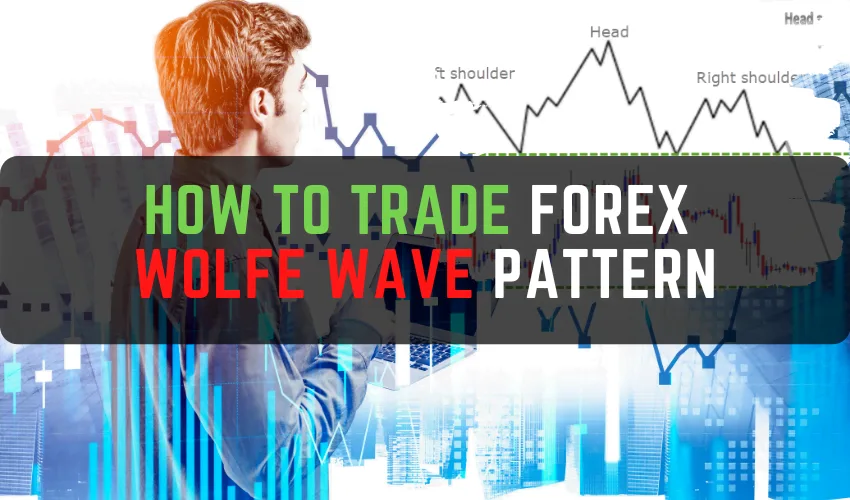
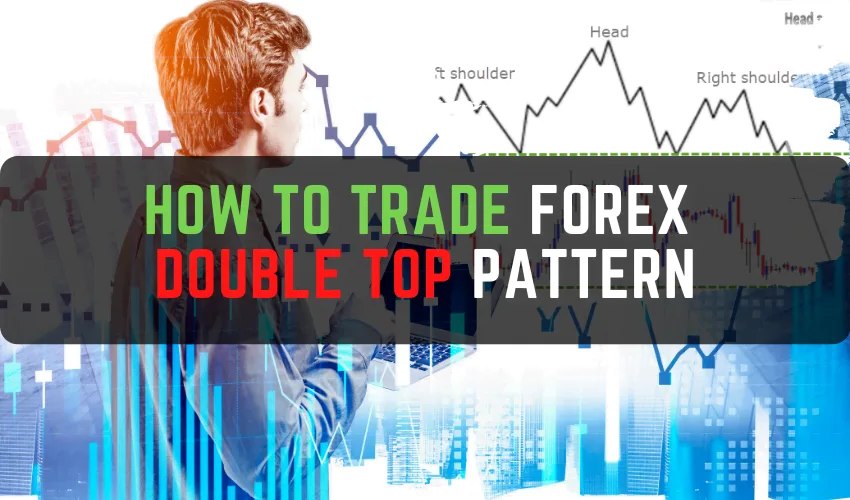

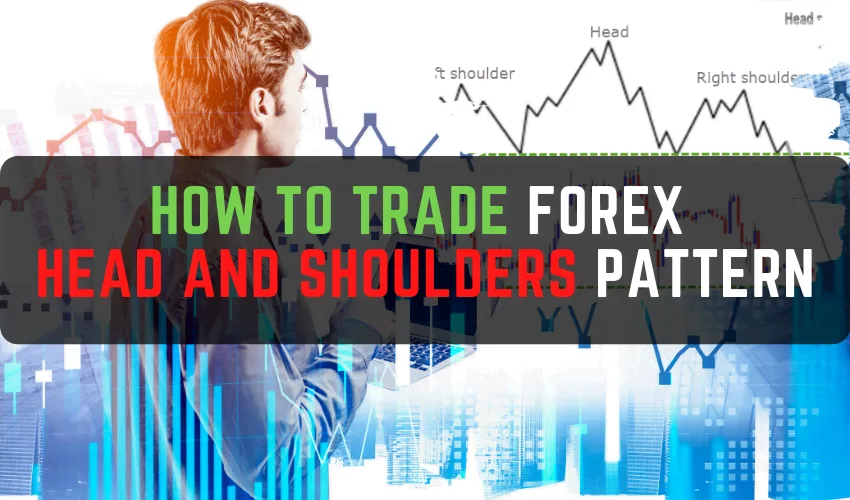



Forex (foreign exchange) trading is buying and selling currencies to profit from exchange rate changes. Currencies are traded in pairs — for example, EUR/USD means you're trading the Euro against the US Dollar. If you buy EUR/USD and the Euro strengthens against the Dollar, you profit. The forex market is open 24 hours, 5 days a week, and trades over $7 trillion daily.
You can start with as little as $50-$100 with many brokers, thanks to leverage and micro lots. However, $200-$500 is recommended for a more comfortable starting balance that allows proper risk management. Never trade money you can't afford to lose, and always start with a demo account first.
Forex trading can be profitable, but it requires education, discipline, and proper risk management. Statistics show that most beginner traders lose money initially, often due to overleveraging and lack of a trading plan. Success comes from consistent learning, practicing on demo accounts, and treating trading as a skill that takes time to develop — not a get-rich-quick scheme.
A pip (percentage in point) is the smallest standard price movement in a currency pair, typically the fourth decimal place (0.0001). For example, if EUR/USD moves from 1.1000 to 1.1001, that's a 1-pip move. For pairs involving the Japanese Yen, a pip is the second decimal place (0.01). Pips help traders measure profit, loss, and spread costs.
Leverage allows you to control a larger position with a smaller deposit (margin). For example, 1:100 leverage means $100 in your account controls a $10,000 position. While leverage can multiply profits, it equally multiplies losses. Beginners should use low leverage (1:10 or 1:20) until they understand risk management. Many regulated brokers cap leverage at 1:30 for retail traders.